
Tired of looking exhausted even after a full night’s sleep? Under-eye hollowing creates shadows and dark circles that add years to your face. At Glavas Center, serving Boston, MA, and New York, NY, Dr. Ioannis Glavas specializes in tear trough treatment to restore smoother contours and natural brightness to the under-eye area.
What Is Tear Trough Deformity?
The appearance of lower lid bags or dark circles is multifactorial. The frequent patient complaint of ‘‘dark circles’’ is often caused by a tear trough deformity.
A prominent tear trough deformity is characterized by a sunken appearance of the eye that casts a dark shadow over the lower eyelid, giving the patient a fatigued appearance despite adequate rest.
Tear trough deformity can result from aging, genetics, or midface volume loss. As facial fat pads shift and skin loses elasticity, the tear trough becomes more pronounced.
Tear trough deformity is evident in the loss of subcutaneous fat and thinning of the skin over the orbital rim ligaments, combined with midface descent. It is often associated with the forward projection of the upper cheekbone and may be more common in patients with either congenital or age-related maxillary hypoplasia.

BEFORE AND AFTER
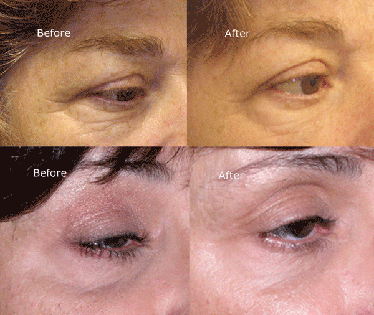
Before and After Tear Trough Treatment
View our gallery of Tear Trough procedures
performed by Dr. Glavas in BOSTON, BEVERLY.MA, NEWYORK
Areas of Treatment
Tear trough surgery and fillers address three key zones to restore smooth contours. The tear troughs beneath your lower lashes receive primary attention to eliminate hollowing. Treatment extends to the lower eyelid region for comprehensive under-eye rejuvenation. The upper cheek and midface transition area creates seamless blending between facial structures.
Candidates for Tear Trough Treatment
You may be a good candidate if you have visible hollows under your eyes that make you appear fatigued. Both age-related and genetic hollowing respond well to treatment. Good skin quality and overall health improve your outcomes. During your consultation, Dr. Glavas evaluates whether tear trough fillers or surgery is best suited to your anatomy. Active infections or certain medical conditions may require postponement of treatment.
The Treatment Process
Your Consultation
With Dr. Ioannis Glavas, your consultation will begin with a thorough evaluation of the severity of your tear trough deformity. He will assess your facial structure and recommend the most suitable treatment for optimal results. Your medical history, including previous procedures, treatments, and any allergies, will also be reviewed.
The consultation is an opportunity to ask questions and discuss any concerns about the recommended treatments. Dr. Glavas will ensure you fully understand your options and what to expect from the procedure. Open communication is encouraged to help you make an informed decision.
Dr. Glavas then develops a customized treatment plan to help you achieve your goals.
Treatment Options
There are several options available for treating tear trough deformity. Treatment may be minimally invasive, such as filler injection, or surgical when structural correction is needed.
Dermal Fillers
Dermal fillers, typically made of hyaluronic acid, offer a quick non-surgical solution by restoring lost volume and minimizing hollowing. The procedure requires little downtime, though minor swelling or bruising may occur. Results are visible immediately and typically last 6–18 months, with maintenance treatments over time.
Fat Transfer
Fat transfer (autologous fat grafting) is one surgical option that provides long-term volume restoration. Fat is gently removed from another area of your body using liposuction, purified, and carefully injected into the tear trough and midface. This technique corrects under-eye hollowing while improving malar volume deficiency and facial balance. Because your own tissue is used, results can be long-lasting and natural-looking.
Blepharoplasty
For patients seeking longer-lasting correction, lower eyelid blepharoplasty may be recommended. This procedure addresses structural causes by redistributing fat and smoothing the eyelid–cheek transition. Recovery may take days to weeks, depending on the extent of correction.
The Treatment Process
For non-surgical tear trough fillers, the area is cleansed, and a topical numbing cream may be applied for comfort. Dr. Glavas uses a fine needle or cannula to inject hyaluronic acid filler into the tear trough hollow. He works slowly and precisely, placing small amounts of product to gradually restore volume. The entire filler procedure typically takes 15-30 minutes.
Surgical tear trough correction involves making a small incision inside the lower eyelid. Through this hidden incision, Dr. Glavas repositions or removes fat to smooth the transition between your eyelid and cheek. In some cases, fat from another area may be grafted to fill the hollow. The procedure is performed under local anesthesia with sedation or general anesthesia, depending on your needs.
In some cases, purified fat harvested from another area of the body is grafted into the tear trough and midface. This fat transfer technique restores volume while improving contour and support between the eyelid and cheek.
Immediate post-treatment care instructions help optimize your healing. Follow-up appointments track your progress and confirm results develop as expected.
Tear Trough Treatment Aftercare
Tear trough recovery varies based on whether you receive fillers or surgery. Most filler patients experience minimal downtime of 1-2 days. Swelling and mild bruising typically resolve within 3-7 days. You’ll notice initial results immediately, with final results visible once swelling subsides completely.
Avoid strenuous exercise for 24-48 hours after treatment. Most patients return to normal activities quickly while following post-treatment guidelines. Surgical patients may need 7-10 days before resuming all activities.
Testimonials

“Dear Dr. Glavas
thank you so very much for the work that you did for me. What a tremendous difference it has made in my comfort level and appearance. I will never be able to thank you enough. Also your staff and office helper were so kind and caring as you were. It made such a difference. ”
Benefits of Tear Trough Treatment
Treatment reduces under-eye hollowness and softens shadowing that can make you appear tired. The under-eye area looks smoother and more refreshed.
Restoring volume improves facial balance and supports a natural transition between the eyelid and cheek. Fat transfer and surgical correction can also improve midface contour and provide long-lasting structural support.
Results appear natural rather than overfilled. Depending on the treatment selected, improvements may last from months to many years.
Cost of Tear Trough Treatment
Treatment costs vary depending on whether you choose fillers or surgical correction. The amount of filler needed and the complexity of the surgical approach affect pricing. Dr. Glavas provides exact cost information during your personalized consultation.
Financing options make treatment accessible and manageable. Learn about financing here.
Why Choose Glavas Center for Your Tear Trough Deformity
Dr. Ioannis Glavas is a board-certified oculoplastic surgeon who dedicates his practice exclusively to the eyes and surrounding structures. His fellowship training in oculofacial plastic and reconstructive surgery provides specialized expertise that general cosmetic surgeons simply don’t have.
The delicate anatomy around your eyes demands precision and experience. Dr. Glavas has performed thousands of eyelid and tear trough procedures, with a proven track record of achieving natural-looking rejuvenation while minimizing risk.
At Glavas Center, serving Boston, MA, and New York, NY, you receive individualized attention from consultation through recovery. Dr. Glavas personally evaluates every patient and performs every procedure. His artistic approach ensures results that enhance your natural features rather than creating an artificial appearance.
The practice offers both non-surgical tear trough fillers and surgical options under one roof. This comprehensive approach means your treatment plan is based on what’s best for you, not limited by what a provider can offer. Explore our cosmetic procedures or learn more about Dr. Glavas.
Frequently Asked Questions
What causes tear trough deformity?
Tear trough deformity develops from multiple factors, including natural aging, genetics, and facial volume loss. As you age, fat pads beneath your eyes shift downward, and skin loses elasticity, creating visible hollows.
Is tear trough treatment surgical or non-surgical?
Both options are available based on your specific anatomy and goals. Injectable fillers offer a non-surgical solution for many patients, while others benefit from surgical fat repositioning for longer-lasting correction.
How long do tear trough fillers last?
Hyaluronic acid fillers typically last 9-12 months in the tear trough area. Individual metabolism, filler type, and lifestyle factors influence longevity, with some patients enjoying results up to 18 months.
Is tear trough treatment safe?
When performed by a qualified oculoplastic surgeon such as Dr. Glavas, the treatment is safe and effective. The under-eye area requires specialized knowledge of delicate anatomy to minimize risks and achieve optimal results.
Will the results look natural?
Dr. Glavas uses conservative techniques focused on restoring your natural contours rather than creating an overdone appearance. The goal is to look refreshed and rested, not obviously treated.
Can tear trough treatment be combined with other procedures?
Yes, many patients combine tear trough correction with blepharoplasty, skin resurfacing, or other facial treatments. Dr. Glavas develops comprehensive plans that address multiple aesthetic concerns in a single treatment session.
What is the difference between tear trough fillers and surgery?
Fillers add volume directly to the hollow using injectable hyaluronic acid, offering immediate results with minimal downtime. Surgery repositions existing fat pads or removes excess skin to achieve permanent correction in advanced cases.

Schedule a Consultation Today
If you’re concerned about tear trough deformity, consult Dr. Ioannis Glavas to explore your treatment options. Whether you choose non-surgical fillers or a long-lasting surgical solution, we can help you achieve a refreshed, youthful look. You can also explore other cosmetic and reconstructive oculo-facial procedures to enhance your appearance. Glavas Center welcomes patients from Boston and Beverly, MA, and New York, NY. Contact us today.