
An upper blepharoplasty at a trusted practice like the Glavas Center in Boston can help reduce excess skin and create a smoother, more open eyelid shape. This procedure offers a clear, structured approach with natural-looking improvement. Here’s what you need to know.
What Is Upper Blepharoplasty (Upper Eyelid Surgery)?
Blepharoplasty is the medical term that describes an eyelid lift. Upper blepharoplasty is a surgical procedure that improves the appearance of the upper eyelids by tightening the skin, correcting droopy eyelids, or removing excess skin.
Eyelid surgery is one of the most frequently performed facial procedures. The appearance of your eyelids plays a significant role in determining the overall appearance of your face. Improving the upper lids can help your eyes appear more open and refreshed. In some cases, removing excess skin also increases the amount of light entering the eye, which may support better vision.
The arch of the eyebrow, the contour of the lid, the height of the eyelid fold, and the angle of the eye are among the key features assessed during surgery in women. Dr. Glavas reviews these details carefully and explains his evaluation in simple terms. Each surgical plan is shaped around the patient’s unique eyelid structure.

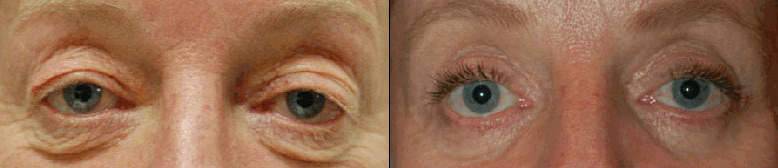
BEFORE AND AFTER
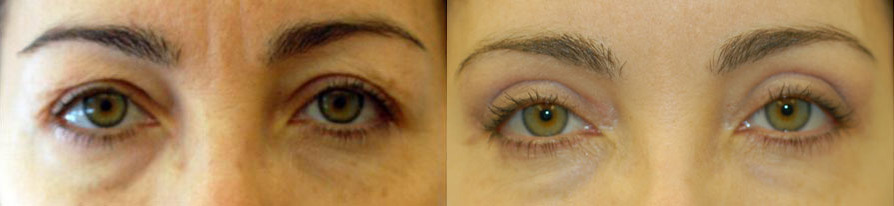
Before and After UPPER BLEPHAROPLASTY
View our gallery of Upper Blepharoplasty procedures
performed by Dr. Glavas in BOSTON, BEVERLY.MA, NEWYORK
Types of Upper Eyelid Surgery Procedures
The upper eyelid anatomy is complex for such a relatively small area of tissue. Each person has unique eyelid features that define their facial identity. The skin in this region is fragile and lacks a fatty layer beneath. The muscle that lifts the eyelid and the orbital fat must be evaluated before deciding which surgical technique to use.
Taking into consideration all the above anatomic characteristics of the eyelid and the patient’s goals, Dr. Glavas may perform the procedure using a laser, radiofrequency, or a traditional “cold knife” technique. Carbon dioxide laser eyelid surgery can minimize post-operative bruising and reduce recovery time, but may not be suitable for darker skin types or patients who heal more slowly.
Am I a Candidate for Upper Blepharoplasty?
It may be helpful to review a few key questions that often indicate whether an upper blepharoplasty procedure is appropriate. Consider the following:
- Does your face look tired even after adequate rest?
- Has anyone mentioned that your upper eyelids look heavy?
- Does the skin on your upper lids look thin or stretched?
- Does the skin touch your eyelashes or interfere with mascara, or can you no longer see your upper eyelids when putting on eyeshadow?
- Is it difficult to apply eyeshadow because the upper lid is no longer visible?
- Do you notice small bulges near the inner corners of your upper lids from prolapsed fat?
If you answered “yes” to any of these questions, you may be a suitable candidate for upper blepharoplasty. During your consultation, Dr. Glavas will also assess whether drooping eyebrows are contributing to the appearance of excess upper eyelid skin.
How an Upper Blepharoplasty Procedure Is Performed
Dr. Glavas has offered more than one eyelid surgery technique. Preparation for the surgery is as important as the surgery itself. Dr. Glavas reviews your past medical history and makes recommendations to help you be best prepared for your eyelid procedure.
The procedure may be performed in the office, hospital, or ambulatory surgery center. Dr. Glavas performs preoperative measurements to outline the amount of skin to be removed. It is one of the most critical steps in the procedure to avoid postoperative complications, such as the inability to close the eyes.
Generally, the procedure is performed through a small incision along the upper eyelid fold. Dr. Glavas will use a combination of technologies and methods to deliver the most natural and rejuvenating results with the least downtime.
The use of technologies such as lasers for incisions and smoothing eyelid wrinkles, or radiofrequency, will minimize bleeding and reduce recovery time. Special postoperative measures and the use of products are recommended to enhance the result and speed recovery.
Combining upper blepharoplasty with other procedures
It is not uncommon for patients to combine upper blepharoplasty with lower lid surgery and a brow lift, or to undergo fractional laser resurfacing to treat sun damage, wrinkles, and large pores. Combining treatments provides a more dramatic, natural result without significantly extending the recovery time.
Does upper eyelid surgery hurt?
Postoperative pain is NOT a characteristic of eyelid surgery. The most common immediate postoperative symptoms are eyelid swelling and some skin bruising. These symptoms are worst the day after surgery. Some people may notice a burning sensation in the eyes, which can be easily alleviated with cold compresses.
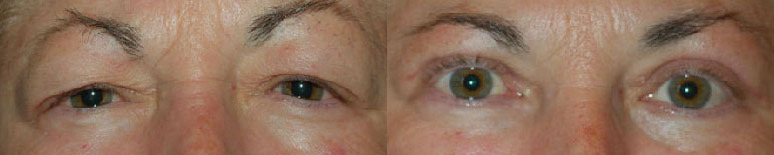
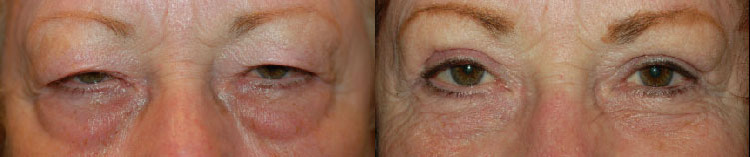
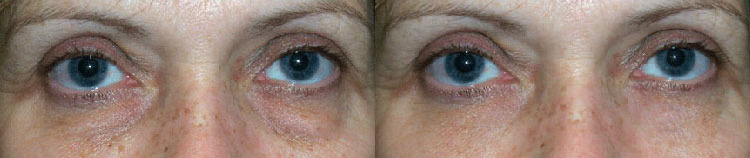
Testimonials

“I’m very happy with the results of my blepharoplasty and I am telling everyone about it. You did a great job in making me look younger and lively. The best part is that I have no scars. As a person who has had surgery in the past, this was a piece of cake. I would do it over if I had to. You are knowledgeable, yet not pretentious. You are kind and friendly. Thanks again.”
“I cannot believe how easy and painless it was; I was so afraid I should have done this sooner if I knew. I went to see my nurse practitioner and she asked me what happened to my eyelids. When I explained, she was impressed and asked for your number. Thank you for the exceptional work.”
Recovery Time After Upper Eyelid Surgery
Depending on the technique used for your procedure and your healing characteristics, recovery may range from four days to two weeks. Even after upper eyelid surgery, swelling and bruising tend to accumulate in the lower eyelid area. Following the recommended postoperative care and using products available at our office are important for reducing recovery downtime.
The eyes are not patched after surgery, and your vision is unaffected. The average recovery time for swelling and bruising to subside is approximately one week. Many of Dr. Glavas’ patients can continue their daily activities the day after the procedure. Strenuous activities, such as lifting heavy weights, are not recommended during the immediate postoperative period.
Dr. Glavas can make your decision easier by going over with you the list of activities you may resume the day after surgery.
Returning to work after upper blepharoplasty
You may go back to work in a couple of days after your eyelid surgery. Your vision is unaffected, and you may wear glasses (regular or sunglasses) immediately after your procedure. If your work involves face-to-face interaction with clients, then you may want to resume work after the swelling subsides (a few days). Dr. Glavas will advise you when you may start using foundation (make-up) over bruised areas.
Benefits of Upper Blepharoplasty
Upper eyelid surgery provides both cosmetic and functional benefits, enabling you to look and feel your best. These include:
- Removes excess upper eyelid skin for a more open appearance
- Reduces the tired or aged look caused by drooping lids
- Improves eyelid contour and symmetry
- May enhance peripheral vision if heavy lids were blocking sight
- Provides long-lasting results with minimal scarring
- Can be combined with other cosmetic procedures for comprehensive rejuvenation

Why Choose Glavas Center for Your Upper Blepharoplasty
Dr. Ioannis Glavas is an internationally recognized, board-certified oculofacial surgeon, trained in both oculoplastic surgery and cosmetic facial rejuvenation. As Assistant Clinical Professor at NYU School of Medicine, he brings academic expertise and advanced surgical skill to every procedure.
Dr. Glavas has also published research articles in major scientific journals and contributed chapters to textbooks on cosmetic facial surgery. At Glavas Center, he provides highly personalized care to patients in Boston, Beverly, and New York, focusing on natural-looking results that honor your unique facial anatomy. His specialized training in the delicate structures surrounding the eyes provides him with the expertise necessary for successful upper eyelid rejuvenation.
Learn more about Dr. Glavas and his credentials.
Upper Blepharoplasty Cost You Can Expect
The overall cost of an upper blepharoplasty is affected by anesthesia fees, hospital fees, post-surgery garments, and medications. The cost of medical tests, surgeon fees, and the specific techniques used also influences it.
Financing options for upper eyelid surgery
Upper blepharoplasty (eye-lift) surgery is an excellent investment in an individual’s well-being. Because of this, we believe financial considerations should not be an obstacle to your procedure. At the office, we accept all payment methods and financing by CareCredit. Please see the financing section of our website or click below to get an instant reply.
Frequently Asked Questions
How long does swelling last after upper eyelid surgery?
Most swelling resolves within one to two weeks after your procedure. Using cold compresses and keeping your head elevated can help reduce swelling more quickly.
Will there be visible scarring after upper blepharoplasty?
Dr. Glavas places incisions within your natural eyelid crease, which effectively hides scarring. Proper aftercare and sun protection help scars fade even more over time.
Can upper blepharoplasty be combined with other procedures?
Yes, many patients combine upper cosmetic eyelid surgery with lower blepharoplasty or a brow lift for more complete rejuvenation. Learn about the surgical process to understand your options better.
When can I wear makeup after upper eyelid surgery?
You can usually wear makeup on areas away from your incisions within a few days. Most patients can resume full makeup application within one to two weeks.
How long do upper blepharoplasty results last?
Results from upper eyelid surgery are long-lasting, often 10 years or more. Healthy skin care and sun protection help maintain your results longer.
Upper Blepharoplasty Cost in Boston, MA
The overall cost of an Upper Blepharoplasty is affected by anesthesia fees, hospital fees, post-surgery garments, and medications. Price is also impacted by medical tests, surgeon’s fees, and the exact techniques employed.

Schedule Your Upper Blepharoplasty Consultation
Upper blepharoplasty can give you a more alert, youthful look while preserving your natural features. For more information about upper eyelid surgery or to schedule an appointment at Glavas Center, serving Boston, Beverly, MA, and New York, please call 617-262-0070 or contact us by email using the form below.