
Eyelid reconstruction is a highly specialized procedure that restores eyelid function while preserving a natural appearance. At the Glavas Center, Dr. Ioannis Glavas provides advanced eyelid repair surgery for patients in Boston, Beverly, and New York City who require reconstruction due to cancer, trauma, or eyelid malposition. Learn more about it here.
What Is Eyelid Reconstruction?
Eyelid reconstruction is a specialized procedure that addresses various conditions affecting the eyelids. Whether due to injury, aging, or medical conditions like cancer, eyelid repair is essential for both functional and aesthetic reasons. This procedure often involves restoring the eyelid’s natural shape and function while maintaining or improving your appearance.
Your eyelids play a critical role in protecting vision, maintaining eye comfort, and supporting facial balance. Get the personalized eyelid reconstruction your eyes deserve from a trusted provider like Glavas Center.
Conditions addressed by eyelid reconstruction
Eyelid reconstruction is vital for patients dealing with eyelid cancers, ectropion, and entropion.
Eyelid cancer reconstruction is critical for removing cancerous tissue while preserving the delicate structures of the eye. Ectropion occurs when the eyelid turns outward, leading to dryness and irritation, while entropion involves the inward turning of the eyelid, causing discomfort as lashes rub against the eye. Both conditions can be corrected with eyelid surgery to restore normal eyelid position and function.
Eyelid reconstruction after cancer or trauma
Patients who get sunburnt easily are very predisposed to getting skin cancer. It often occurs on the upper or lower eyelids.
These skin cancers start as a small red spot or a slight crust, but they can grow to be quite large. If they are treated in the early stages, surgery and recovery are brief and straightforward. If the skin cancer has grown, the surgery will be more complex. However, grafting techniques using tissue from the other eyelids or skin from behind the ear can effectively rebuild a new eyelid.
Lower eyelid malpositions
In older patients or those who have sustained trauma, the lower eyelid may be displaced. The eyelashes may turn in and rub the eye (entropion), or the edge of the lower eyelid may fall away from the eye, causing it to tear (ectropion).
Both conditions can be repaired with local anesthesia by tightening and repositioning the lower lid muscles and tendons.
Skin cancer evaluations
Patients with pale skin and little pigment are very prone to skin cancers. However, even patients with dark, heavily pigmented skin can develop skin cancers. Avoiding the sun and using sunscreens and sunblocks helps reduce the incidence of these cancers.
The most common areas of the face where skin cancers develop are:
- The lower eyelids
- The tip of the nose
- The forehead
- The upper eyelid
- Eyelid margins
- Tear drainage (lacrimal) system, when affected
- Surrounding periocular tissues damaged by cancer, trauma, or malposition
The most common types of skin cancer are:
- Basal cell carcinoma
- Squamous cell carcinoma
- Melanoma
Basal cell carcinomas may begin as a small, red dot that grows, bleeds, forms a scab, and eventually develops into an ulcer in the eyelid tissue. Although these tumors begin small, they can grow quite large. Although they do not spread to other parts of the body (metastasize), they are easier to remove when they are small. Often, all or part of an eyelid must be removed, but it can be reconstructed to achieve an aesthetically pleasing result.
Squamous cell carcinomas grow much like basal cells, but they may appear more scaly and flaky and are more aggressive, growing more rapidly.
Melanomas are typically pigmented and often raised, although they can initially appear flat. Any brown or grey spot that changes size, shape, or pigmentation is suspicious of being a melanoma. These are exceptionally dangerous as they will metastasize, spread to other organs of the body, and can be deadly. They must be removed early because the smaller and flatter they are, the lower the risk of spread.
Am I a Candidate for Eyelid Reconstruction?
You may be a candidate if you:
- Have been diagnosed with eyelid cancer requiring surgical removal
- Experience irritation, tearing, or exposure from ectropion or entropion
- Have eyelid malposition after trauma or previous surgery
- Are in generally stable health and able to undergo outpatient surgery
A consultation with an experienced oculoplastic surgeon is essential to determine the safest and most effective approach.
The Eyelid Reconstruction Procedure
The eyelid reconstruction process varies depending on the underlying condition. Oculoplastic surgery specialists in Boston, such as Dr. Glavas, personalize each procedure to meet individual needs. Each procedure is carefully planned based on the size, depth, and location of the eyelid defect, as well as whether reconstruction follows cancer removal, trauma, or eyelid malposition such as ectropion or entropion.
Eyelid reconstruction is typically performed under local anesthesia with sedation, though general anesthesia may be used for more complex cases. Once anesthesia is in effect, the affected eyelid tissue is carefully addressed based on the underlying condition. If reconstruction follows eyelid cancer removal, all abnormal tissue is first completely excised, leaving a controlled defect.
Healthy eyelid tissue is then reshaped and repositioned to recreate the eyelid margin and restore normal blinking. When additional support is needed, tissue may be borrowed from the surrounding eyelid, the opposite eyelid, or a discreet donor site such as behind the ear. In cases of ectropion or entropion, the eyelid is tightened by adjusting the muscles and tendons that control its position and alignment.
Eyelid reconstruction surgery typically lasts one to two hours and concludes with fine sutures placed to protect the eye and support proper healing.
Recovery After Eyelid Reconstruction
Recovery after eyelid reconstruction is a gradual process that supports both healing and long-term eyelid function. Most patients experience temporary swelling, bruising, and mild tightness around the eyelids, particularly during the first one to two weeks. Discomfort is usually manageable and improves steadily as healing progresses.
To promote proper healing and protect the surgical area, patients are advised to follow several important aftercare guidelines:
- Apply cold compresses as directed to help reduce swelling and bruising
- Keep the surgical area clean and use the prescribed ointments or drops as instructed
- Avoid rubbing the eyes or placing pressure on the eyelids
- Sleep with the head elevated during the first several nights
- Limit strenuous activity, bending, and heavy lifting until cleared by your surgeon
- Attend all follow-up appointments so healing and eyelid position can be monitored
Vision may feel temporarily blurred due to swelling or protective ointments, but this typically resolves within days. Functional improvement is often noticed early, while cosmetic refinement continues gradually over several weeks.
Testimonials

“You know what is great, now when I want to open my eyes with surprised look, both eyes open up, and the eyebrows even move, Thank you again, you mean the world to me!!!! ”
Before & After Gallery
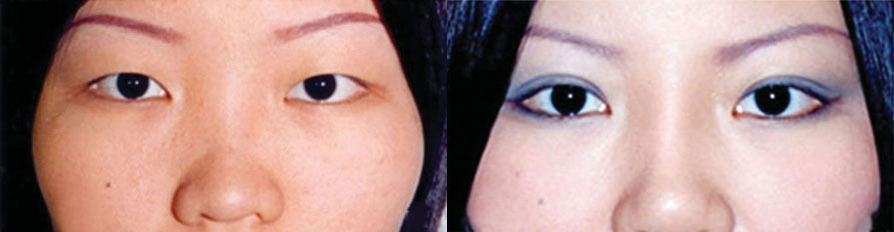
Before-and-after photos demonstrate outcomes from eyelid cancer reconstruction and correction of ectropion and entropion.
Benefits Of Eyelid Reconstruction
Undergoing eyelid reconstruction at a Boston practice, such as the Glavas Center, offers numerous benefits, including improved comfort, clearer vision, and a more natural appearance. Correcting ectropion or entropion can alleviate irritation, while eyelid cancer reconstruction ensures that cancerous tissue is removed without compromising overall appearance.
Beyond symptom relief, eyelid reconstruction helps restore proper eyelid position and blinking, which are essential for protecting the eye surface. Patients often experience reduced tearing, dryness, and exposure-related discomfort following surgery.
Reconstructive techniques are designed to preserve facial balance and eyelid symmetry, resulting in a natural, non-surgical appearance. For many patients, eyelid reconstruction also provides reassurance and confidence after cancer treatment or complex eyelid conditions.
Some patients may also explore options within our cosmetic procedures offerings to address aesthetic concerns once functional eyelid health has been restored.
How Much Does Eyelid Reconstruction Cost?
The cost of eyelid reconstruction varies based on the complexity of the procedure, the condition being treated, and whether reconstruction follows cancer removal, trauma, or eyelid malposition. Many eyelid reconstruction procedures are considered medically necessary and are often covered by insurance, particularly when performed for eyelid cancer, ectropion, entropion, or functional impairment.
Financing your procedure
Cosmetic surgery is a valuable investment in an individual’s overall well-being. Because of this, we believe financial considerations should not be an obstacle to getting your procedure. At the office, we accept all major credit cards and CareCredit financing. Please see the financing section of our website or click below for an instant reply.
Why Choose the Glavas Center for Eyelid Reconstruction
The Glavas Center is dedicated exclusively to eyelid and oculofacial surgery, enabling a level of focus and expertise that is challenging to achieve in general practices. Dr. Ioannis Glavas is a board-certified oculoplastic surgeon serving Boston, Beverly, and New York City, with advanced fellowship training and decades of experience treating complex eyelid conditions, including eyelid cancer, trauma, and revision surgery.
Care is guided by a philosophy centered on safety, thoughtful planning, and natural outcomes. Each reconstruction is approached with careful attention to eyelid anatomy, eye health, and facial balance to help restore function. Patients benefit from individualized treatment planning, refined surgical techniques, and continuity of care throughout the treatment process.
Frequently Asked Questions
How long does recovery take after eyelid reconstruction?
Initial healing typically takes one to two weeks, depending on the extent of surgery. Subtle improvements in appearance and eyelid position continue over several months.
Will eyelid reconstruction leave visible scars?
Incisions are placed along natural eyelid folds or margins whenever possible. As healing progresses, scars usually soften and become less noticeable.
Is eyelid reconstruction performed under local or general anesthesia?
Many procedures are performed under local anesthesia with sedation. More complex reconstructions may require general anesthesia for comfort and safety.
Can eyelid reconstruction affect vision?
The goal of reconstruction is to protect and support vision. Temporary visual changes may occur during healing but typically resolve.
How soon can I return to normal activities?
Most patients resume light activities within a week. Strenuous exercise and heavy lifting are usually limited for several weeks.
Will I need additional procedures in the future?
Some conditions require staged reconstruction or later refinement. This is discussed during consultation and follow-up visits.
Contact Us To Learn More
If you’re experiencing issues with your eyelids or have been diagnosed with eyelid cancer, Dr. Ioannis Glavas and his team at the Glavas Center offer eyelid reconstruction. Located in Boston, Beverly, and New York City, the eyelid specialist offers personalized care to address your needs. For more information about eyelid reconstruction surgery or to schedule an appointment, please call 617-262-0070 or contact us via email by filling in the form below.

For more information about eyelid reconstruction surgery or to schedule an appointment please call 617-262-0070 or contact us by email by filling in the form below